




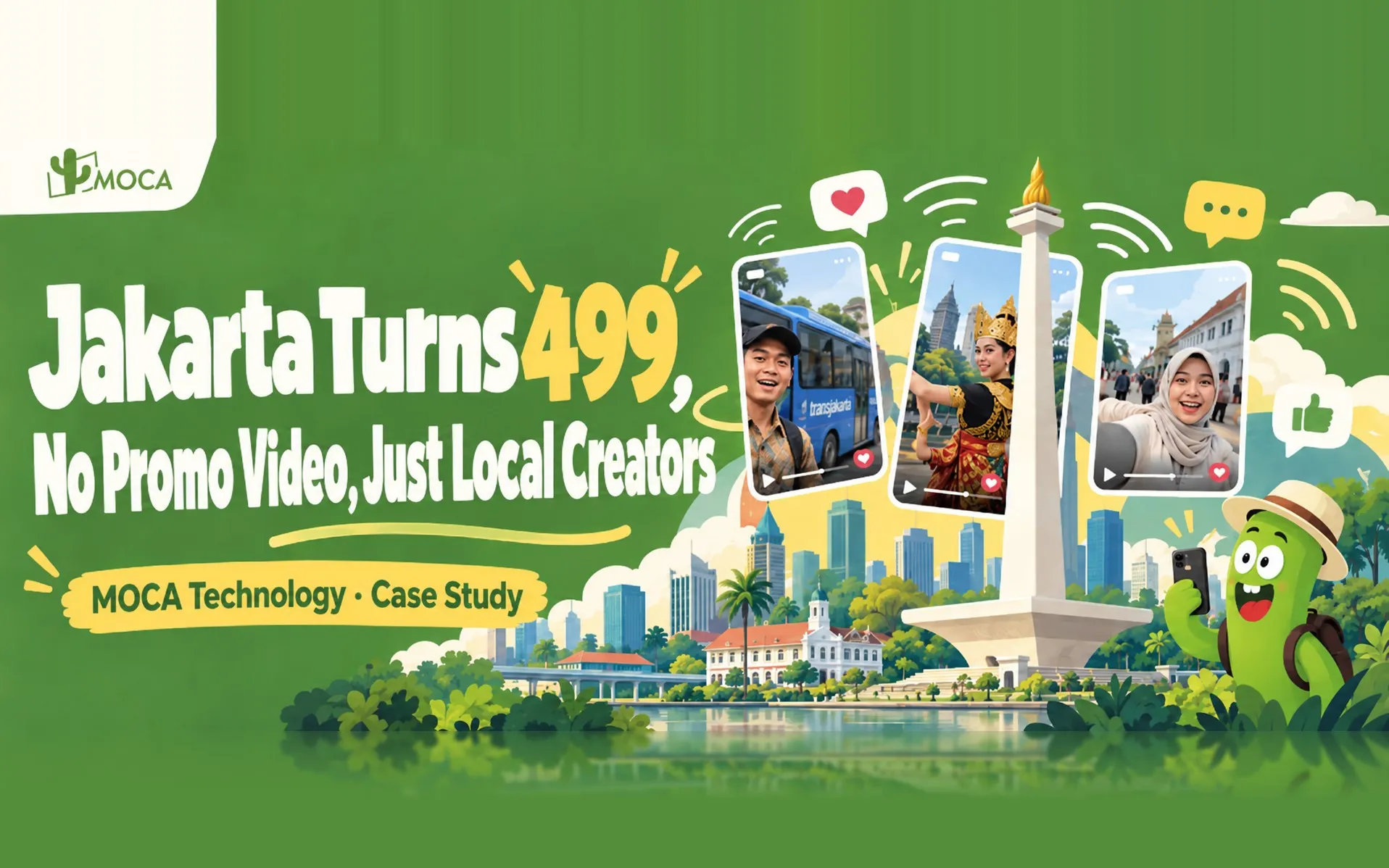
Jakarta at 499: Creator-Led City Campaign Case Study
Jakarta turned 499 with Rp1 transit fares and free museums. See how MOCA used three local creator tracks, not a promo film, to get residents moving.

Root your growth in data-driven performance advertising and elevate market presence with authentic influencer strategies.
Explore Our Story
Combining performance-driven advertising
with authentic influence.

Deeply Rooted, Highly Elevated.
MOCA is a pioneer in digital marketing for the world’s most vibrant emerging markets.
We specialize in helping global brands build long-term authority through authentic influencer collaborations and achieve rapid growth through data-driven performance marketing.
 Shanghai, Taiwan
 Gurgaon, Mumbai, Bangalore
 Jakarta
 Kuala Lumpur
 Manila
 Bangkok


Deep Local Resonance. High-Altitude ROI.

Brands and platforms connected through
ideas that move markets.
The brand showcase moves automatically and pauses when hovered.





















































Industry deep-dives, event highlights, and company milestones.
Jakarta turned 499 with Rp1 transit fares and free museums. See how MOCA used three local creator tracks, not a promo film, to get residents moving.
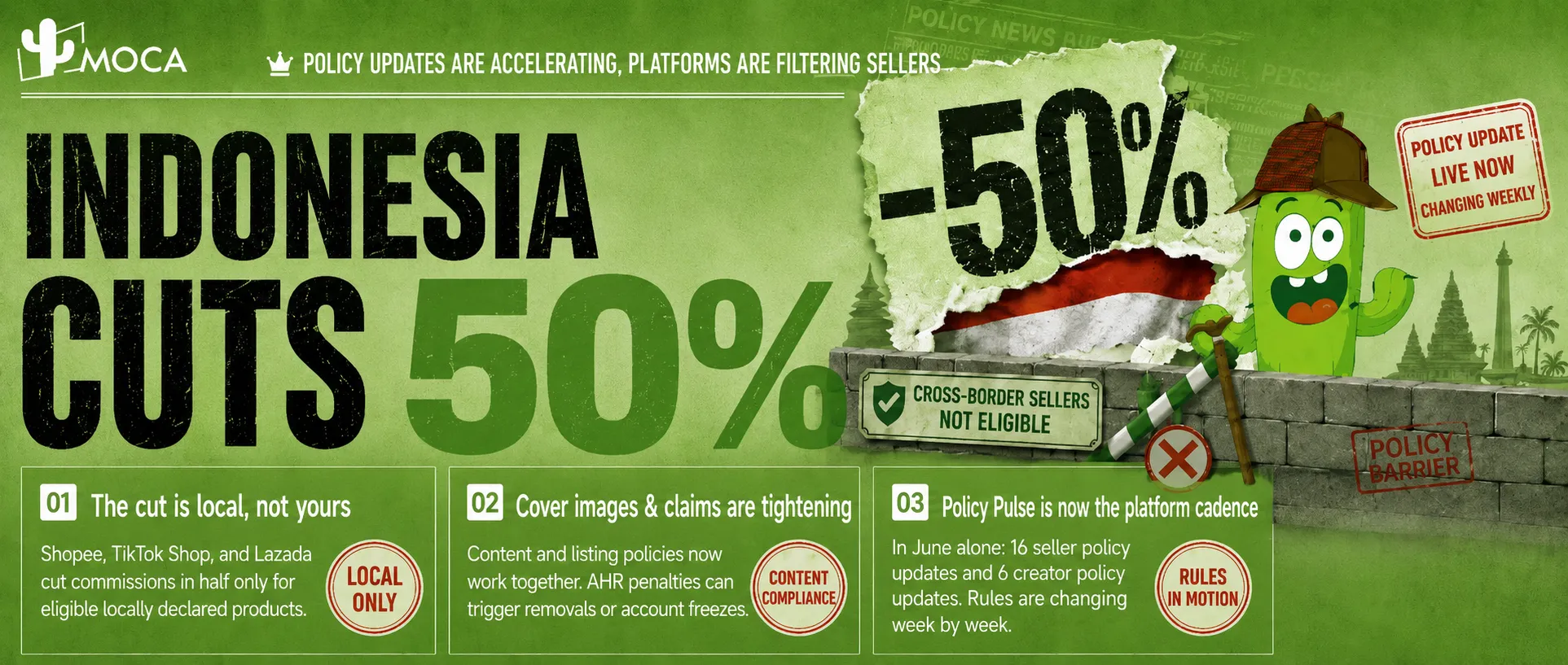
Indonesia’s June 2026 rule cuts platform fees 50% for verified local sellers only. TikTok Shop’s AHR system also raises SEA compliance stakes.
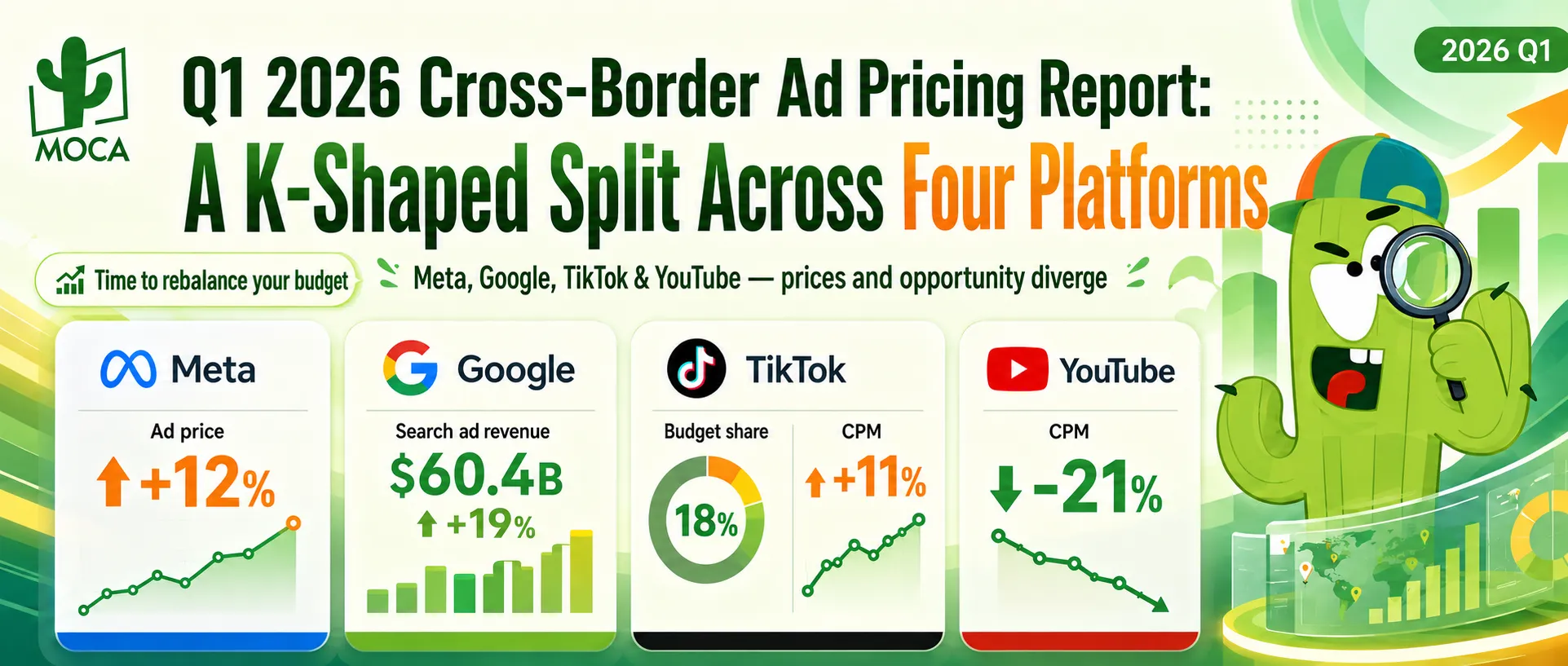
Q1 2026 social ad pricing diverged: Meta CPM up 12%, Google search up 19%, TikTok up 11%, YouTube down 21%. How to reweight cross-border budgets.
TikTok Shop AHR rules, Indonesia under-16 ban, and Search Hubs reshape SEA brand playbooks. Search-driven briefs replace volume-buying tactics.
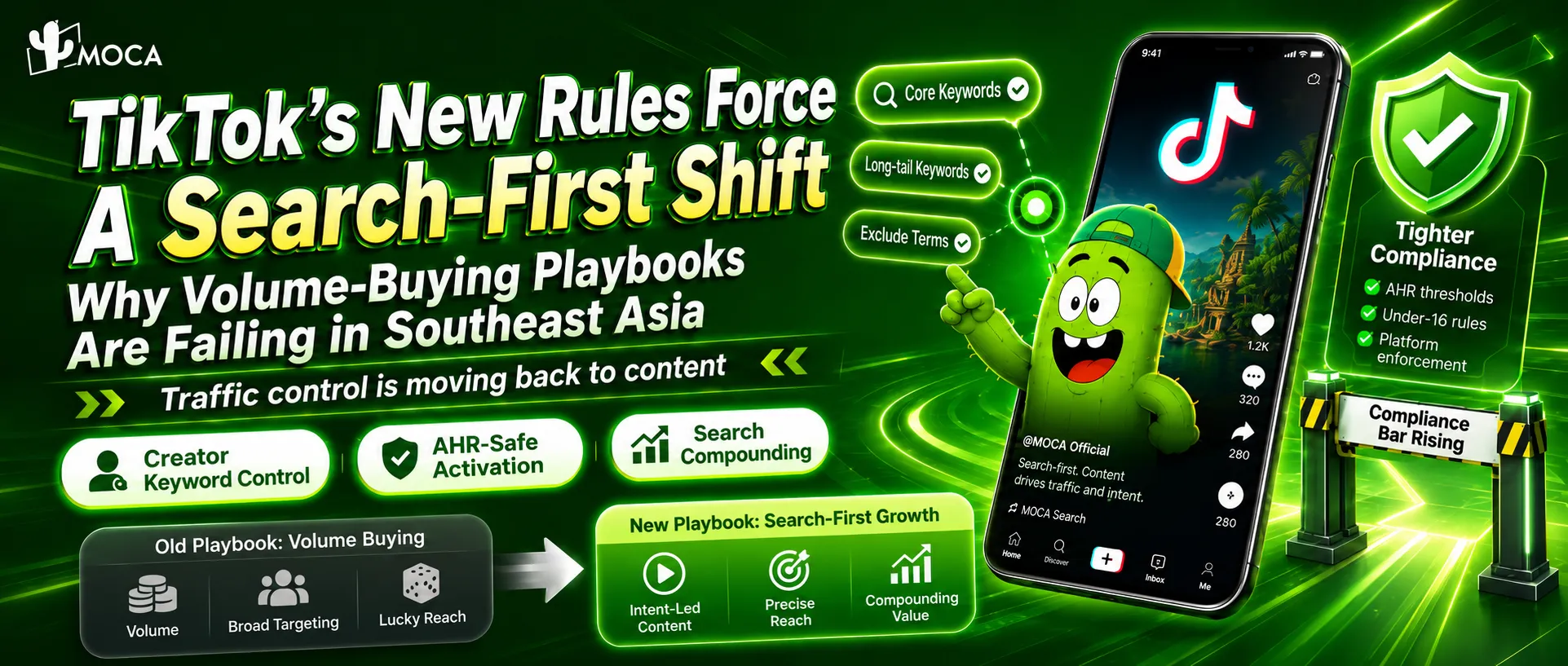
FIFA locked all 16 World Cup sponsorships. TikTok is the preferred platform. India rights down 65%. How SEA brands win the second screen.

A global team sharing ideas, markets,
and moments.


Choose your role and start growing with us.
Monetize your traffic through high-quality campaigns and global advertisers.
Join as publisher
Collaborate with top brands and turn your content into real income.
Join as creator